
Doing It Right- Ice Testing
Doing it Right- Ice Testing
By Keith Denoncourt
At my age, I absolutely love the team approach to any form of extreme adventurous outdoor activity, especially when initially testing ice quality and thickness. The pure safety systems that become readily available, with using a team for immediate self rescue and recovery, is by far the best way to mitigate the dangers. This advice stems from years of experience rescuing and recovering others. Even just recently this year, I was solo when my machine fell partially through the ice. I was doing what should have been an easy and safe task. It would have been no issue at all had anyone been with me. Totally transparently, it was over 5.5 hours to get it out. It was not fun when the tracks froze in. Having a team readily available would have had me safely out almost instantly. Nature is unforgiving and hides extreme dangers very well. Even the most experienced Outdoorsman will, at some point in their life, have a hand dealt to them by Mother Nature that they can not safely recover from alone. Using a team approach, means that qualified and trained people can help mitigate any dangers almost immediately.
Enjoy the outdoors, and always remember to stay safe and sponsor a non-profit conservation organization!
-Keith
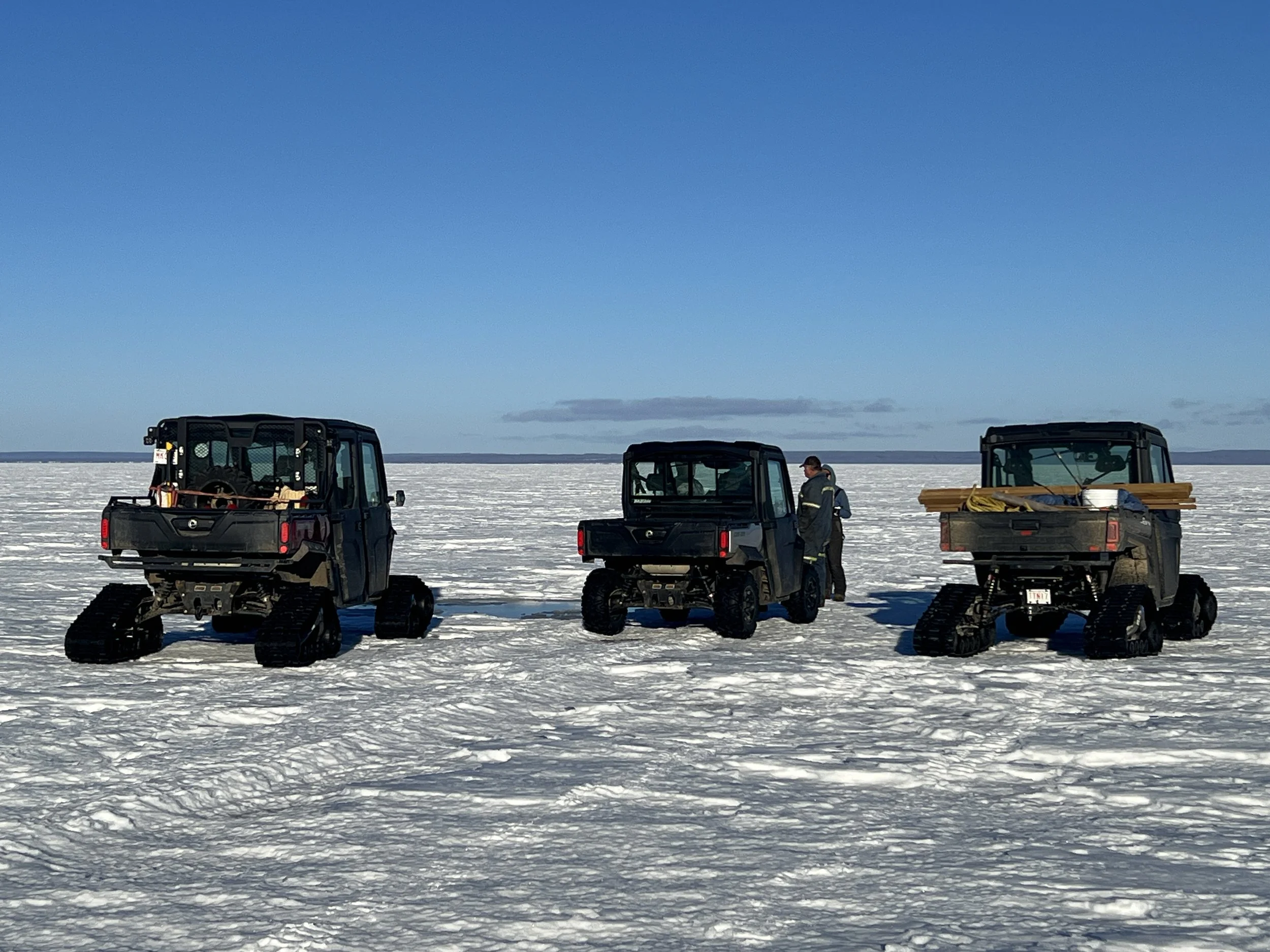
Following the advice of the local Professional Outdoorsman is what I always recommend when doing any form of extremely adventurous outdoor activity. This is the Team of professionals from my neighborhood that jointly went out to test the ice quality and thickness. Only when multiple scientific testing sites have been tested, enroute to where we want to fish, and everything has met or exceeded all safety standards, is any shacks or heavier vehicles brought out.
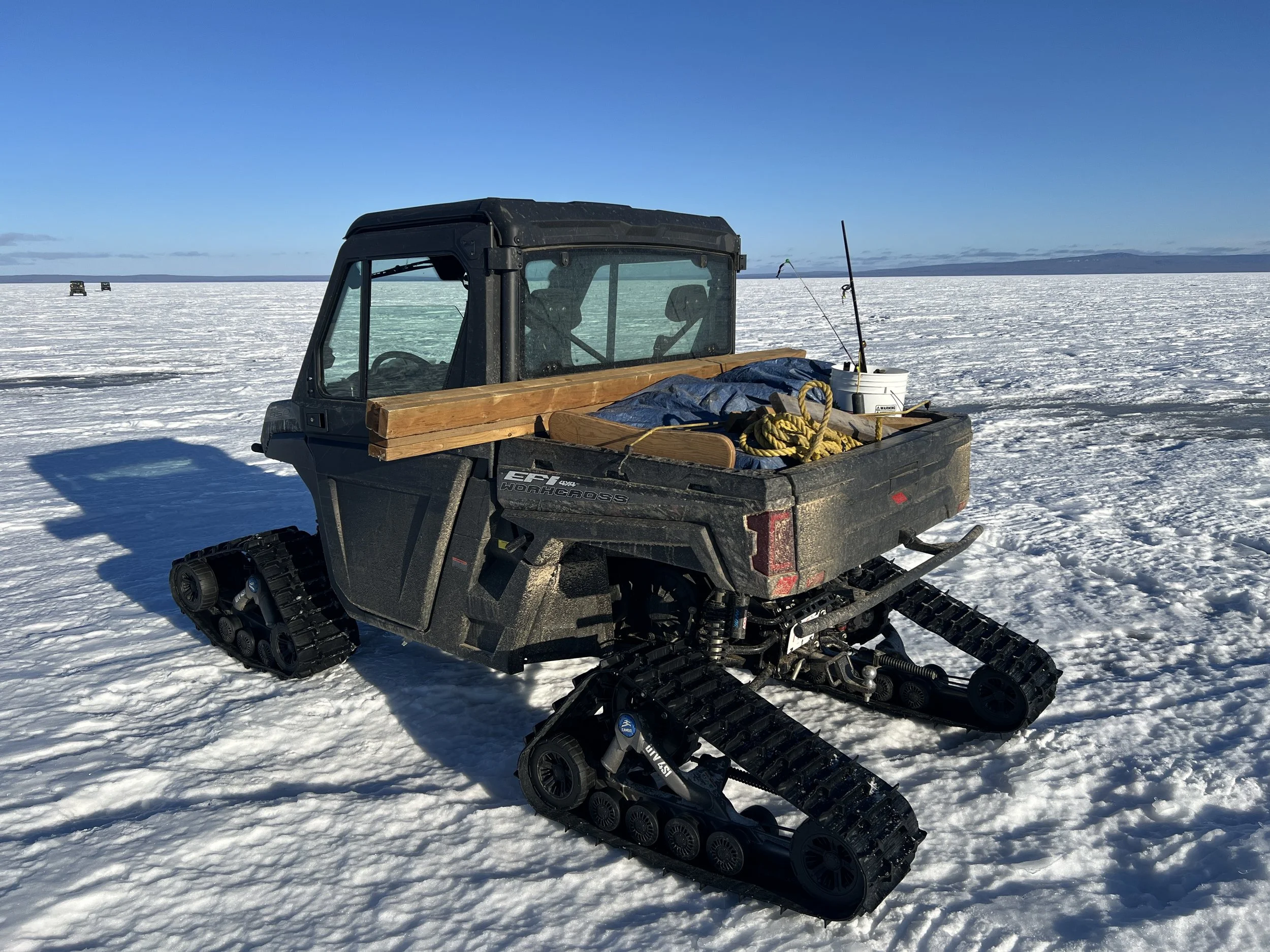
All ATVS are completely set up for self rescue and recovery. We are well spaced out enroute travelling slowly to our intended fishing location. My ATV was even set up with additional emergency distribution boarding.
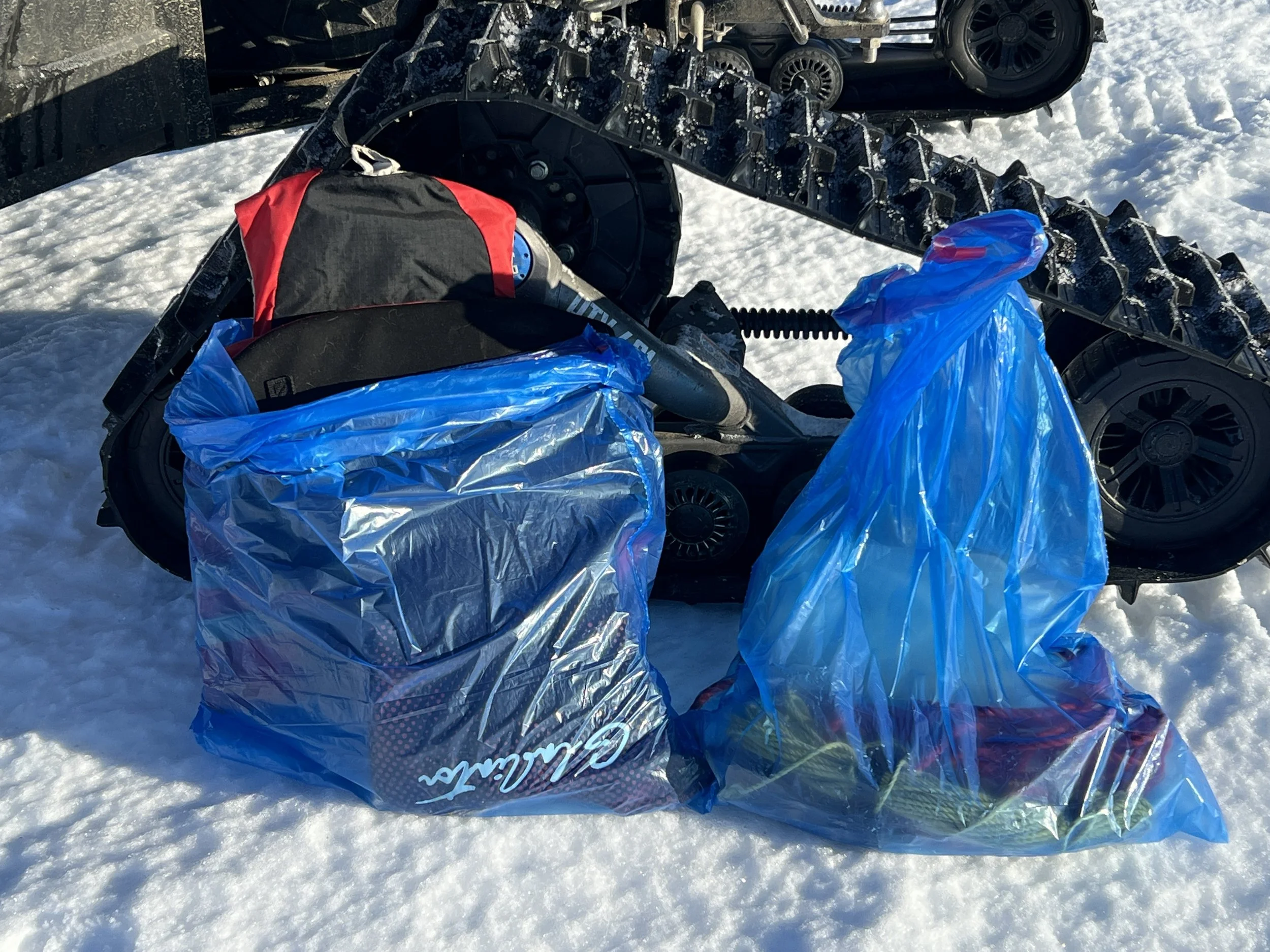
Rescue ropes for personal rescue, with the accompanying life jackets, are placed in a semi transparent recycling bags. This keeps the rescue ropes, with the attached ice picks and floatation devices, clean and ready for immediate use.
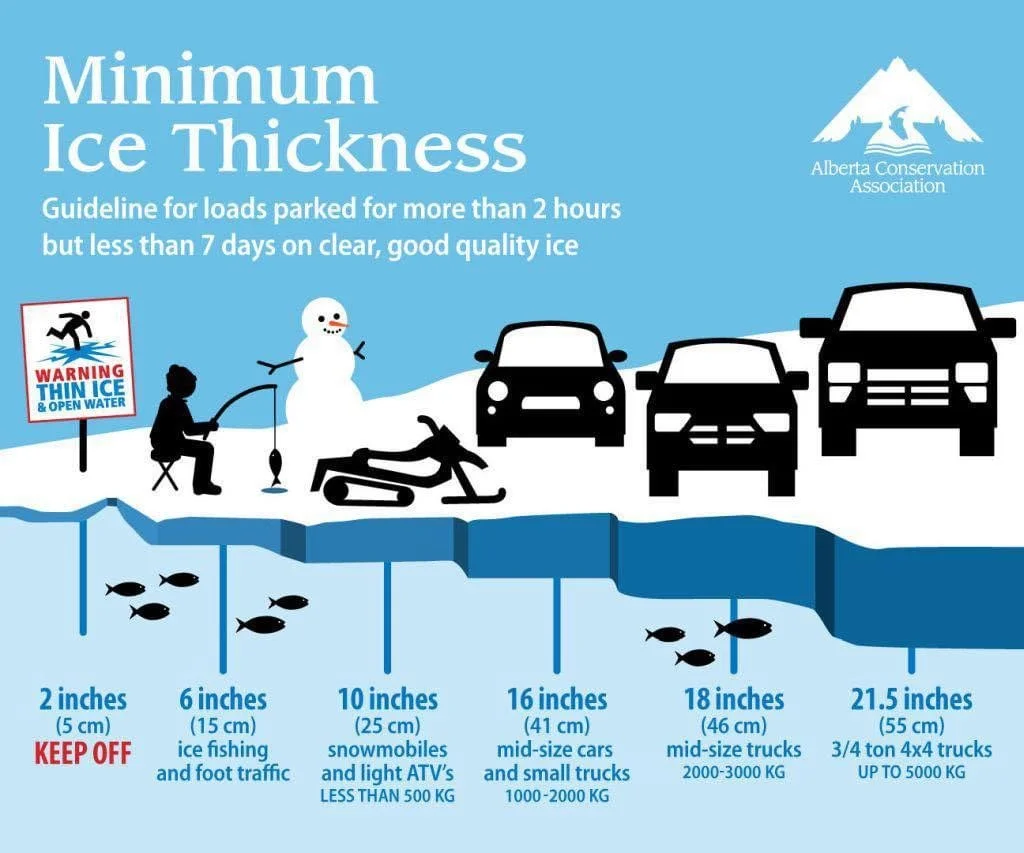
These are just the bare minimum guidelines. Ice thickness and quality are not uniform in nature. Frequent test sites must be used to determine the overall quality and thickness of the ice.
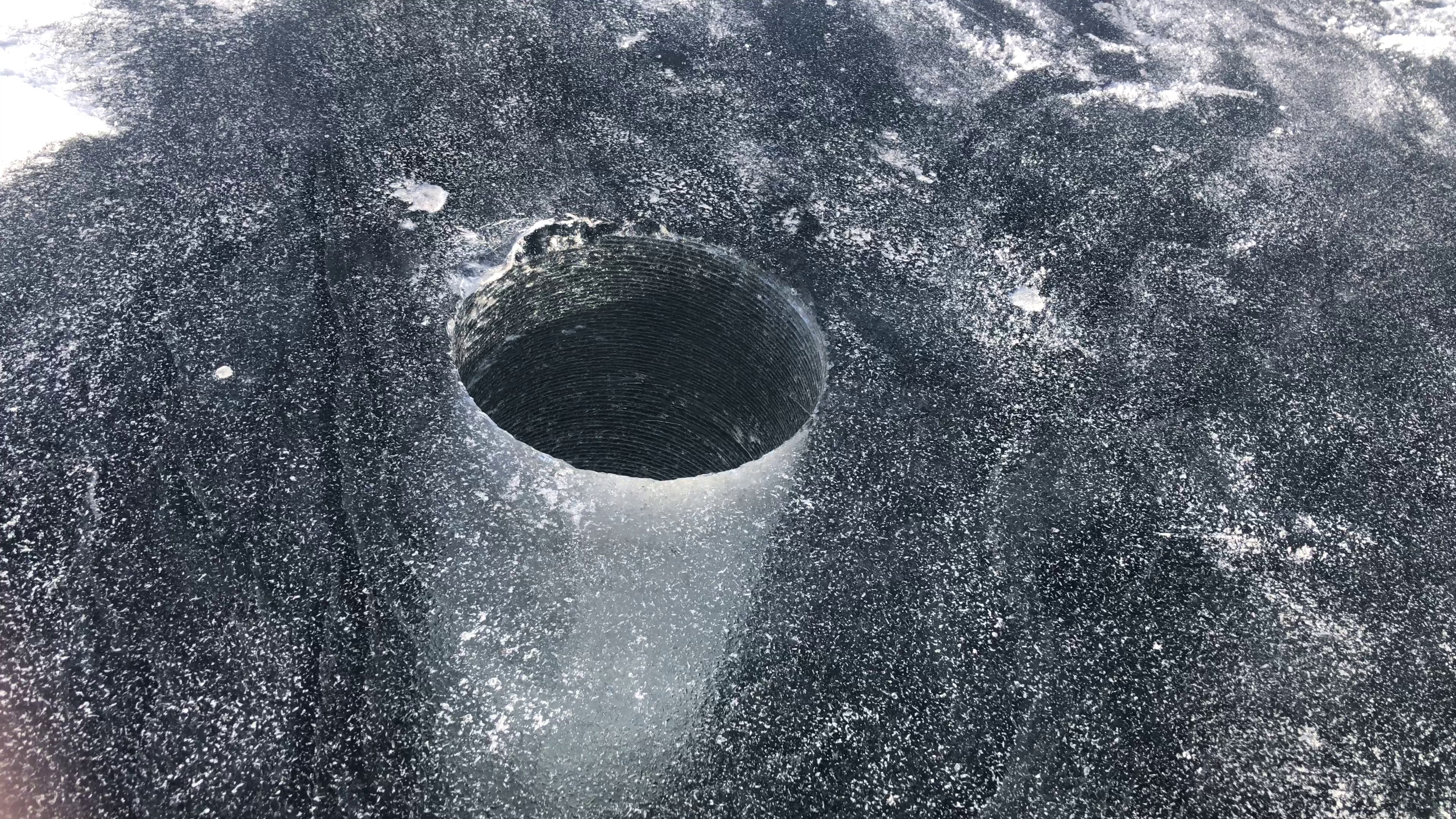
This is one example of high quality ice.
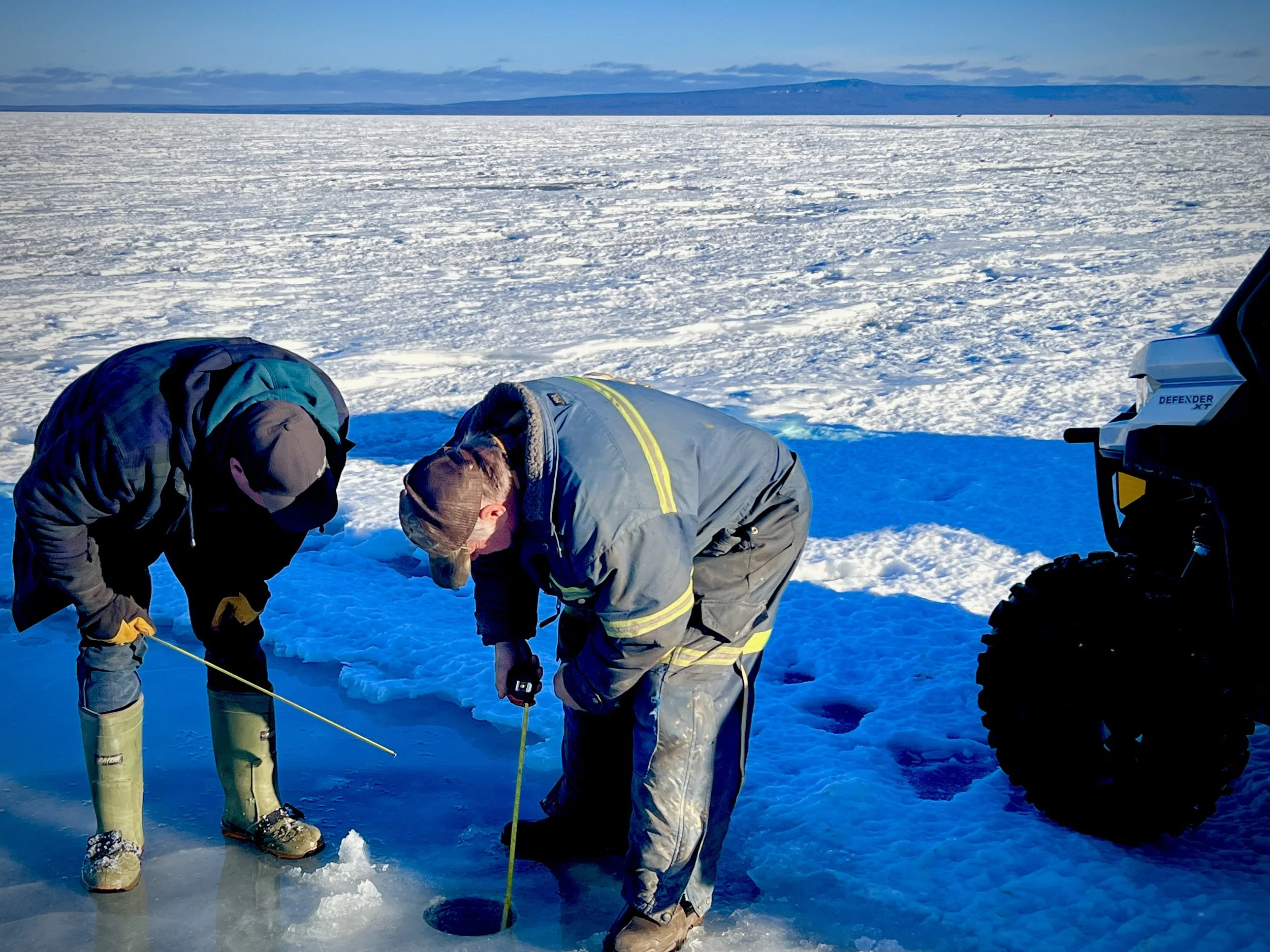
Here is Kevin S. and Grant P. testing the ice quality and thickness. Both professional outdoorsman have lived, and worked, on this lake for over 30 years. Their advice, along with the joint ATV manpower made the ice testing procedure very safe. Basically if they do not think it is safe, all people and equipment returns immediately to a safer location.
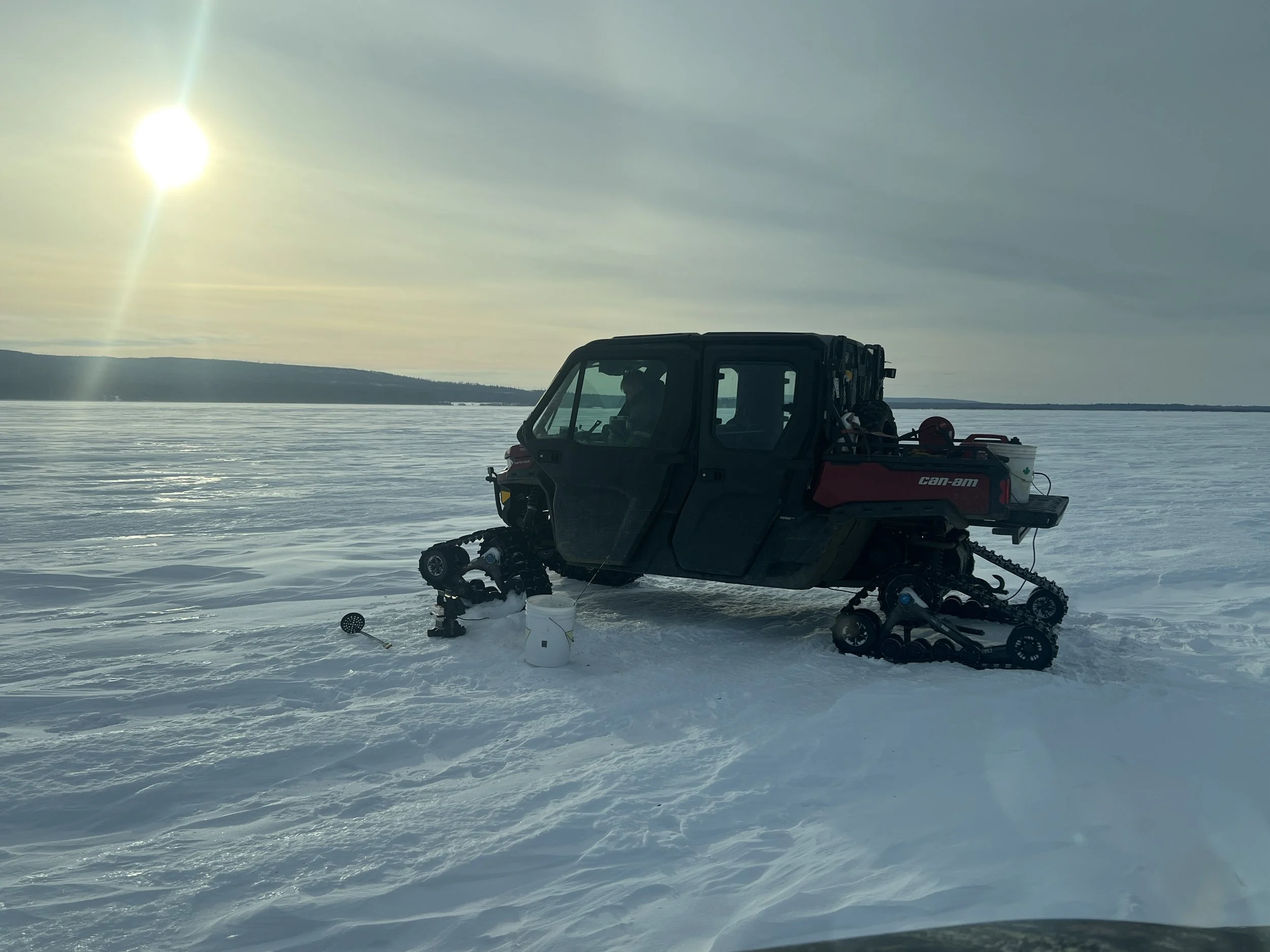
We use ATVs first to determine ice quality and thickness. Multiple sites are tested enroute to any location. Ice conditions and quality changes frequently throughout the year.
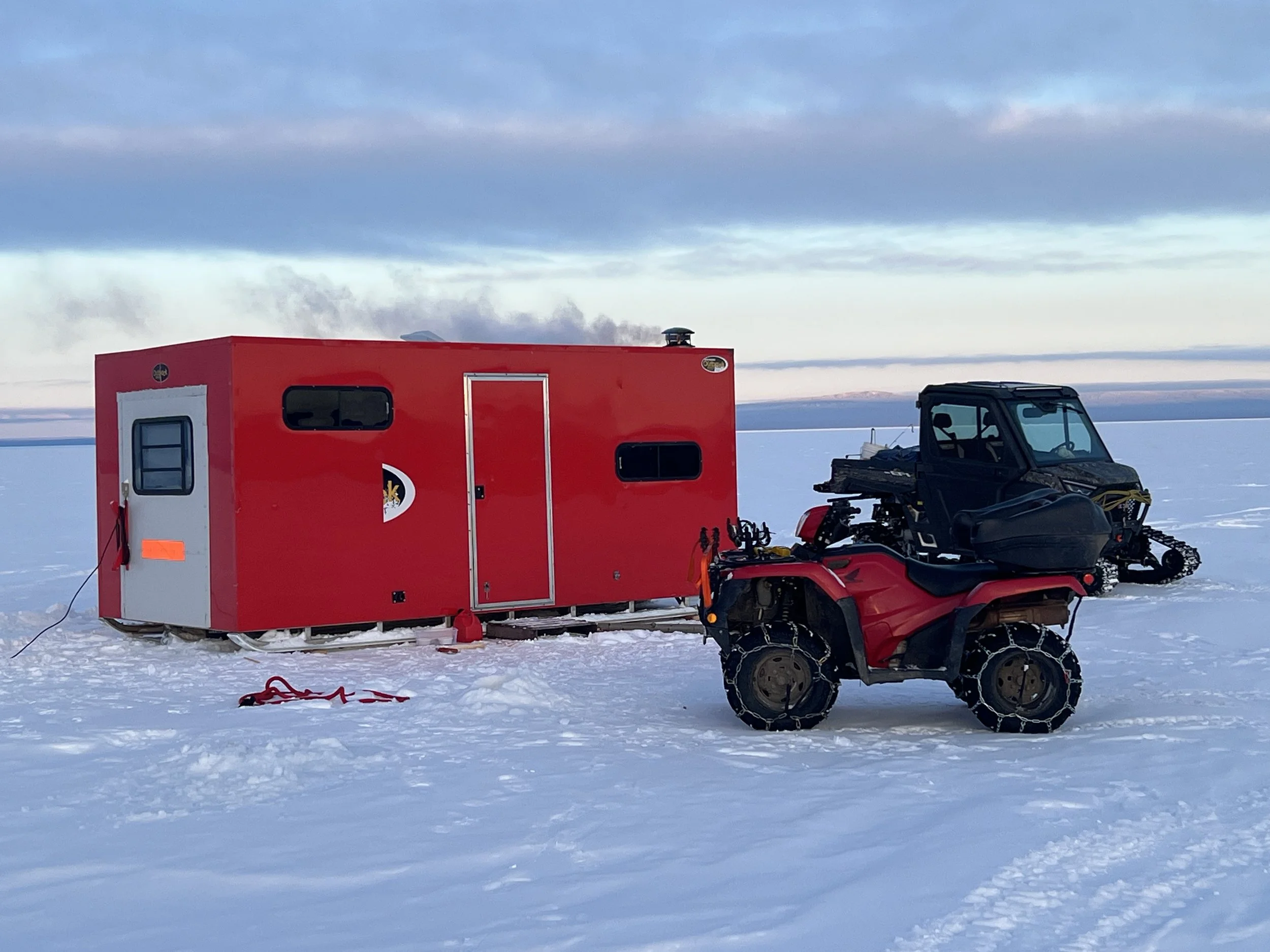
When the ice has been tested and deemed safe for light loads, we use teams of ATV’s to haul out the smaller ice shacks.
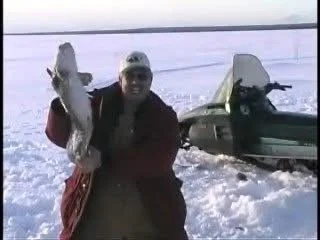
Burbot are an amazing fish to eat !!!
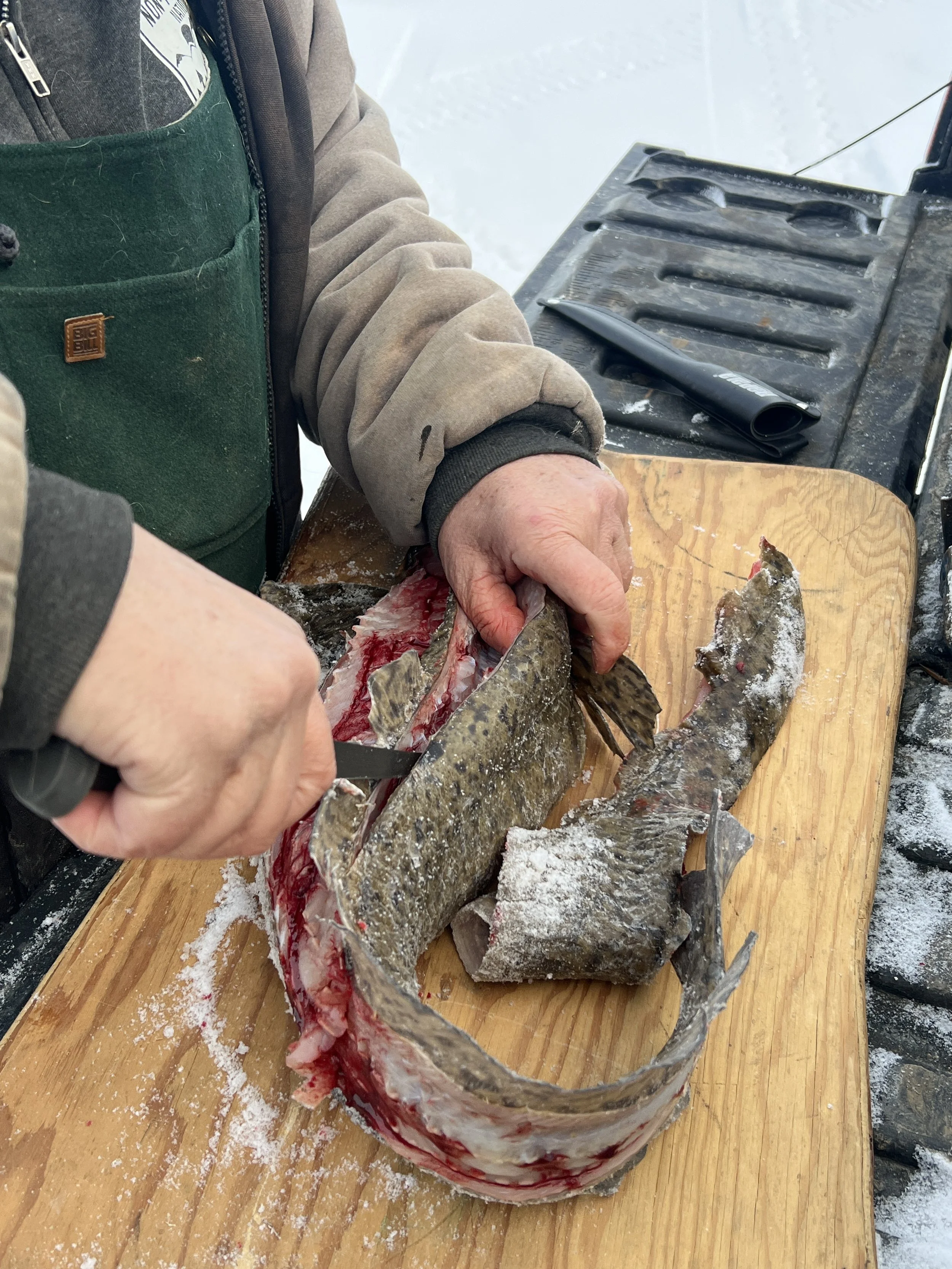
Burbot are an amazing fish to eat, however some do like to clean them as they can get very slimy. My advice to to dispatch them immediately, and let them start to freeze in a straightened position. Once they are partially frozen, I partially clean the Burbot at the back of my ATV. This keeps the slime down to a minimum. I dispose of all leftovers back at my acreage. Keep the skin on for identification.
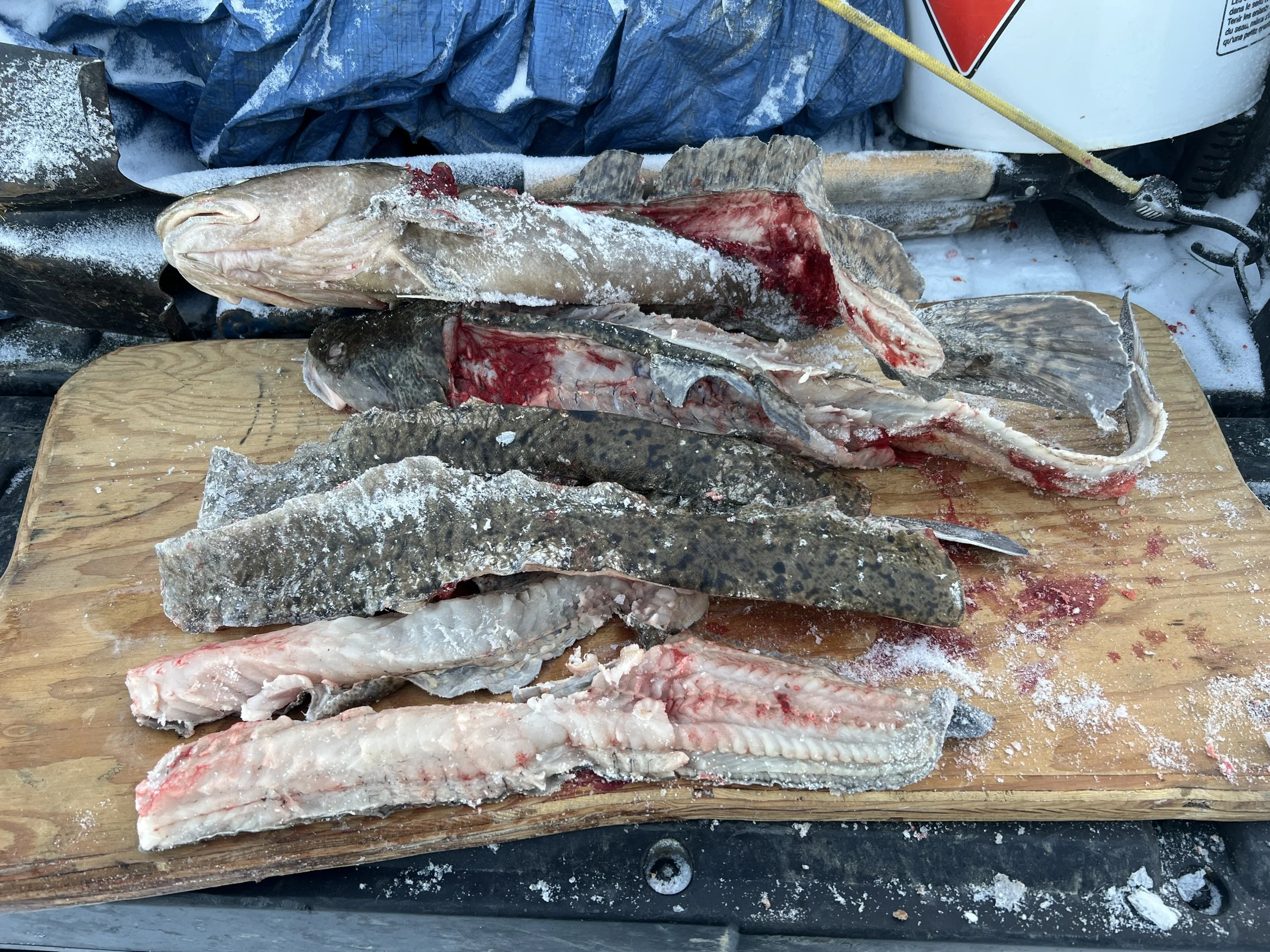
Keep the skin on to help identify the type of fish. If transportation is required, only remove the skin once you are back to your permanent residence.
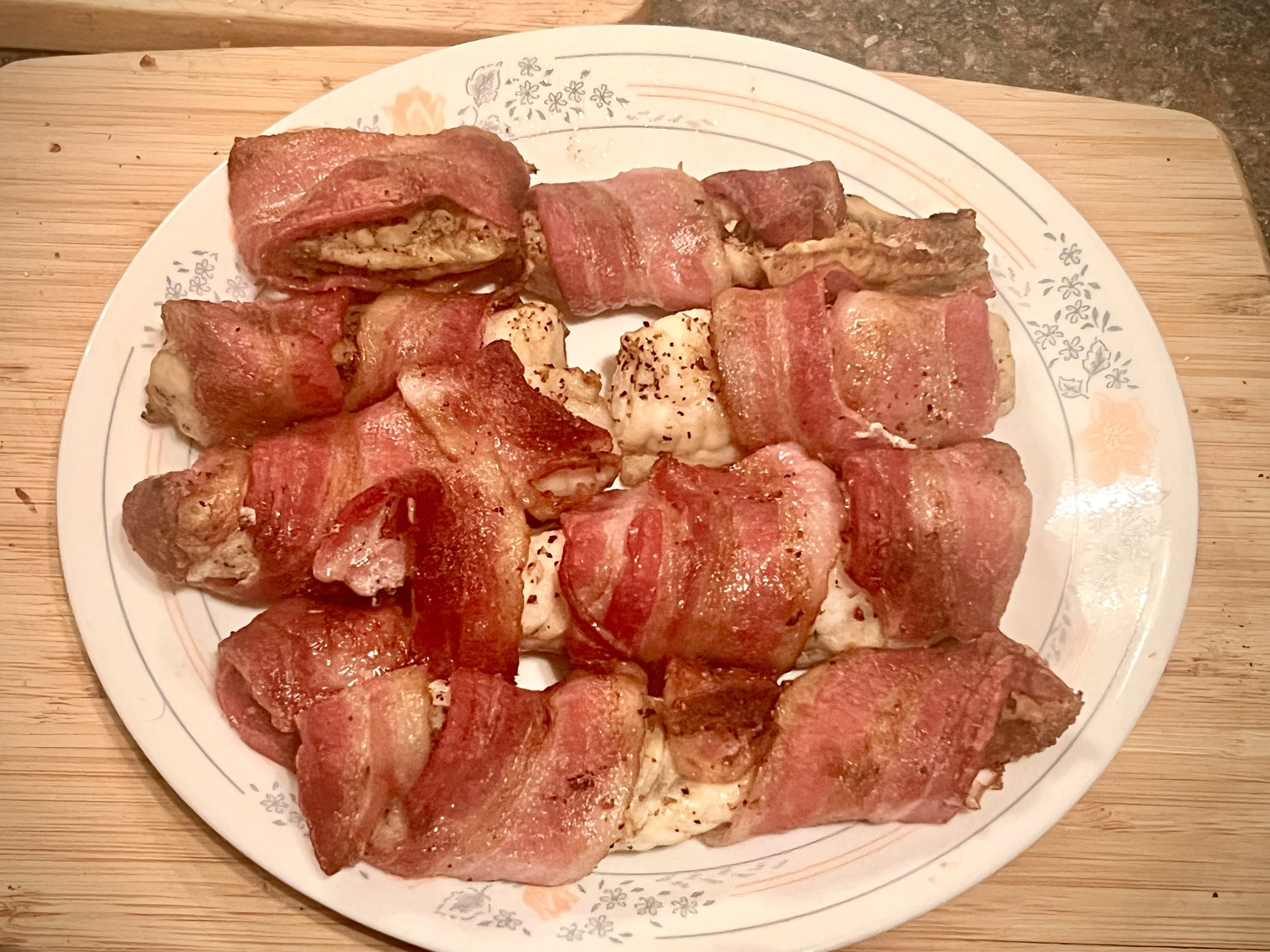
Burbot is often compared to a “Poor Man’s Lobster”. This is an example of bacon wrapped boneless Burbot that is seasoned in steak spice and garlic.
